
Nitrates & Circulation
What Are Dietary Nitrates? A Plain-Language Guide
Nitrates from vegetables like beetroot behave very differently from the additives in cured meat. Here is what the research says.
By The Beetroot Guide Editors · Published 1 November 2026 · Updated 4 November 2026 · 1 min read
The short answer
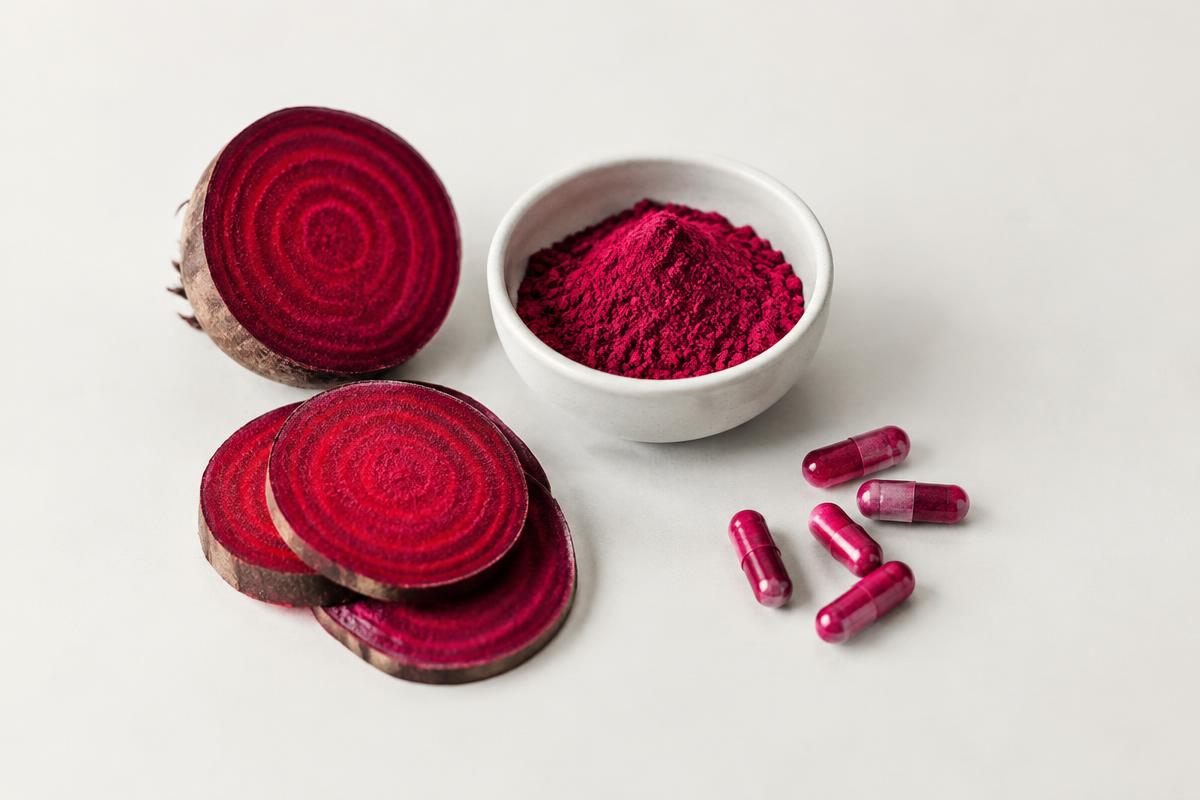
Dietary nitrates are naturally occurring compounds found in leafy greens and root vegetables. Beetroot is one of the richest sources.
How the body uses nitrate
After you eat nitrate-rich food, bacteria in your mouth convert some nitrate to nitrite. The body can then convert nitrite to nitric oxide, a molecule involved in blood vessel dilation.
The mouth matters
Antibacterial mouthwash may blunt this conversion, according to several small studies.
Vegetable nitrate vs processed meat
The context differs: vegetables carry vitamin C and polyphenols that change how nitrite behaves in the stomach.
Which foods are richest?
- Rocket (arugula)
- Spinach
- Beetroot
- Celery
Bottom line
For most healthy adults, nitrate-rich vegetables are part of a balanced diet. Talk to a clinician if you take blood pressure medication.
Frequently asked questions
- Are beetroot nitrates safe?
- For most healthy adults, nitrates from vegetables are considered part of a normal diet.
- Does mouthwash affect nitrate?
- Small studies suggest antibacterial mouthwash can reduce nitrate-to-nitrite conversion.
Sources
This article is for general education and is not medical advice. See our disclaimer.